 Special Topic Home

Category
Products News
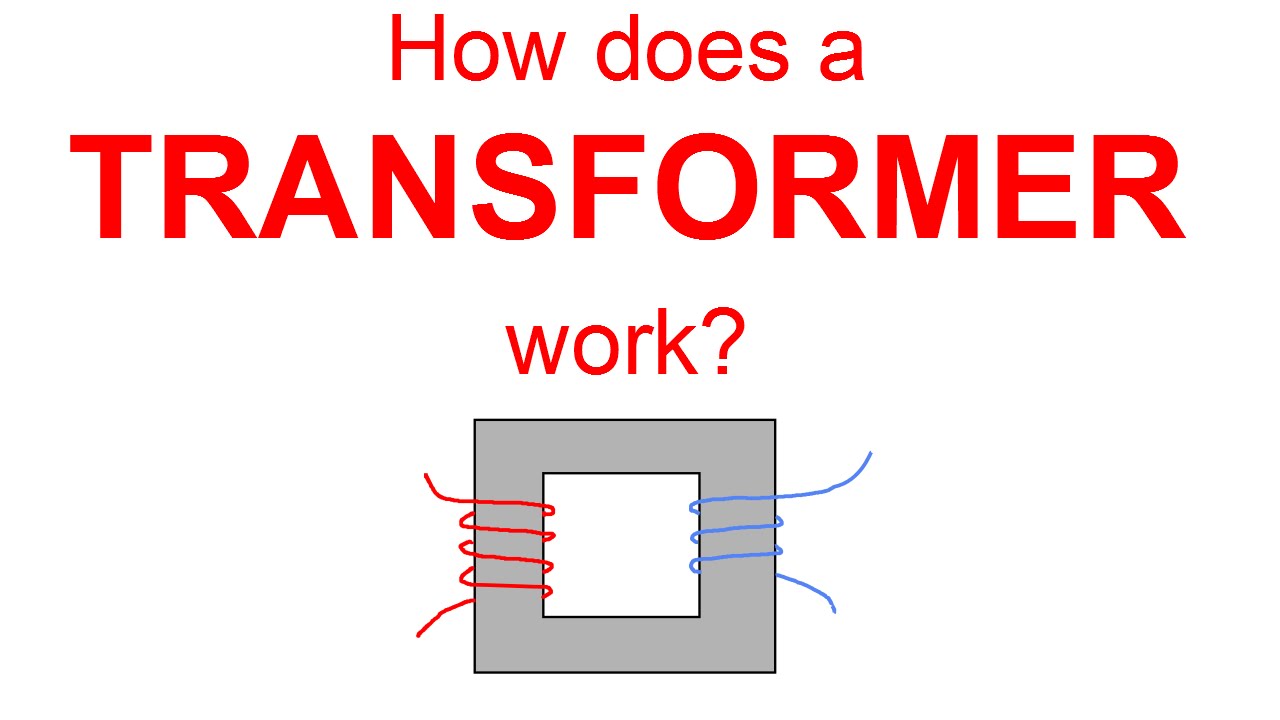 How does a transformer work?
Related searches
35kv power transformer
electric furnace transformer
electrical transformer for sale
high current transformer
Supplier Searches
Home > Products News
Talking about Basic Principles about Transformer
2017/6/15 11:20:02
.jpg)
The power transformer is an integral part of the overall operation of the amplifier. Basically, the transformer converts one voltage to another voltage (sometimes multiple voltages). For most tube amplifiers, the wall voltage enters the first side of the transformer, also known as the "main" side. On the output side or the secondary, we have several voltages. In most tube amplifiers, there will be 5 volts, 6.3 volts and some higher voltage, commonly referred to as B + voltage.
The 5 volt is usually used as a filament, or heater, voltage for a rectifier tube. Most rectifier tubes used in tube amplifiers run off 5 volts. This filament voltage is what warms up the internals of a tube to make them function properly. Usually this voltage has enough current, measured in amperes or amps, to handle the tube being used. The current can be thought of as a supply, or reserve that the tube can pull from. With rectifiers, having more current to supply the 5 volt supply is perfectly fine. The thing to avoid is not having enough of a supply, as this will overheat the power transformer and could cause it to fail.
The 6.3 volt is the filament that normally supplies the preamp, driver, and power tubes. Pretty much all of the other tubes in the amplifier. This has a similar function as the filament in the rectifier section. The difference here is that too much extra current will cause the voltage to be too high. The really basic explanation of how a tube works is that when electricity hits the filaments, they warm up, kind of like a toaster. When they warm up, they heat the inside of the tube to make electrons transfer from one part to another. If you put too much or too little voltage in the filaments, it makes the tubes not function at their optimum. Too high and the sound is harsh, and grating. Too low and it is mushy. Right at the correct filament voltage the tube will have the greatest fidelity and frequency response.
The B+, or high voltage is dependent on what voltages are desired down the schematic. Each amplifier model may want a different B+ voltage. In designing an amplifier and choosing a transformer, there are voltages that are desirable ranges for different tubes to sound good in different functions. Consistency from one to another is very important.
We buy our transformers to make sure we have the required voltage and current. We use Mercury Magnetics because we believe in the quality of their products and they work closely with us to make sure we have some other transformer manufacturers out there. Some bad is just a bad thing like anything, really. Some companies will use a general purpose transformer that will work in the schematic, but the current supply or B + may be closed. These companies know that it will work technically and can provide them cheaply. Most budget transformers fall into this category. Many low-side amplifiers benefit from changing the transformer to the appropriate voltage and current supply. We prefer to start in the best way.
Article from:
http://www.satelliteamps.com/