 Special Topic Home

Category
Products News
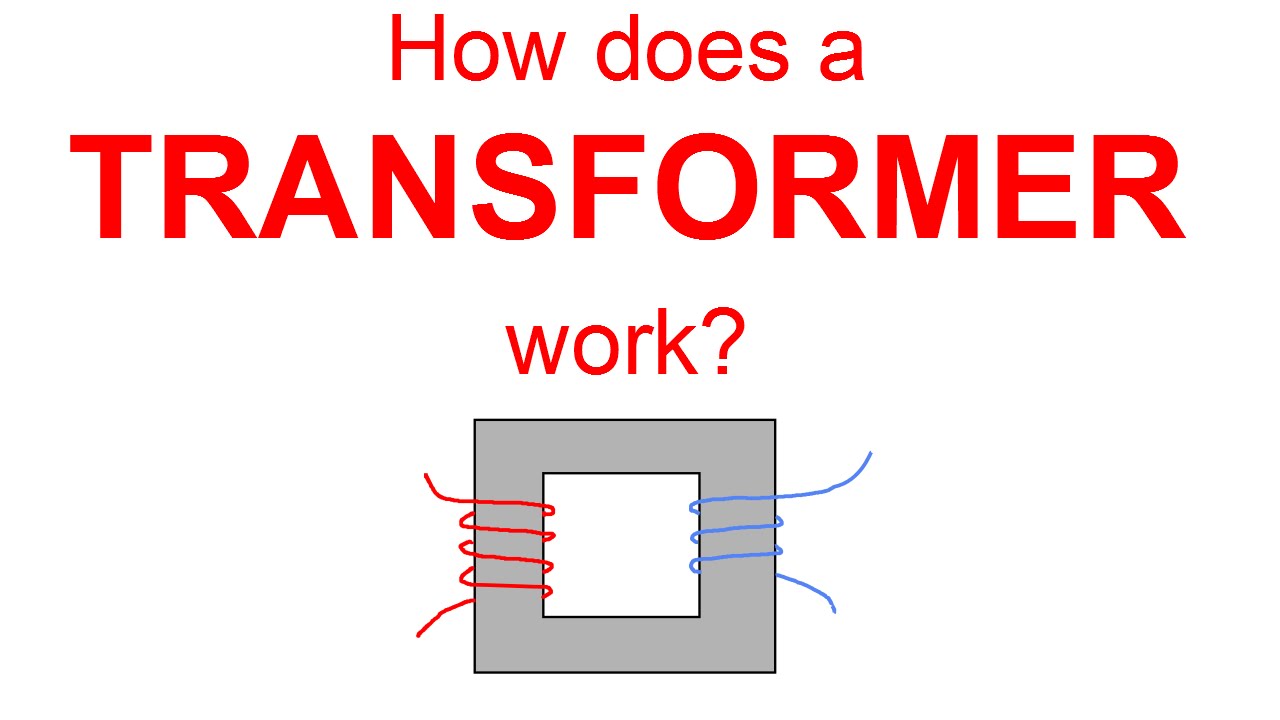 How does a transformer work?
Related searches
35kv power transformer
electric furnace transformer
electrical transformer for sale
high current transformer
Supplier Searches
Home > Products News
What is the best method to get 25 ohms or less?
2017/6/13 15:35:59
.jpg)
Thank you for your 25 ohm grounding problem under difficult conditions and we will be happy to help you. When you install a pole mounted transformer, you are meeting a small available soil (earth) area where you can use it. The resistance of the electrode is determined by the local soil conditions and the influence of the electrode. In other words, the worse the soil, the more electrodes you need. There really is no magic bullet to solve this problem.
The only way to guarantee a 25-ohm or less resistance-to-ground for your pole mounted transformer is to get an engineered grounding design. Using computer modeling, a grounding electrode can be designed to meet your 25-ohm requirement in local soil conditions.
For example, it may be possible that if you have a concrete pole, it may be possible to utilize part of the pole itself as an electrode. This could be supplemented with an electrolytic electrode system to achieve the 25-ohm requirement. But you won’t know this unless you do a proper design. Electrolytic electrodes are expensive and wouldn’t want to randomly install one of these grounding systems without knowing in advance that it will work.
E&S Grounding Solutions is of course more than happy to help you figure out what type of electrodes you need to achieve 25-ohms at your site (if it is even reasonably possible). All we need from you is soil resistivity data from the site and we can take care of the rest, all via email. But if not us, please get someone with the proper tools and experience to help you achieve this important standard.
So that’s the most cost effective way to achieve 25 ohms or less in Marl and Rock for a pole mounted transformer.
Article from:
http://www.esgroundingsolutions.com/