 Special Topic Home

Category
Products News
 How does a transformer work?
Related searches
35kv power transformer
electric furnace transformer
electrical transformer for sale
high current transformer
Supplier Searches
Home > Products News
How does a transformer work?
2017/5/3 11:30:56
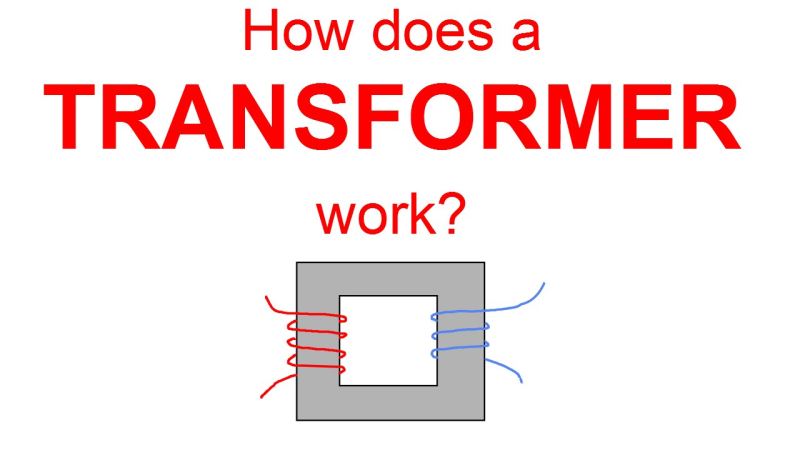
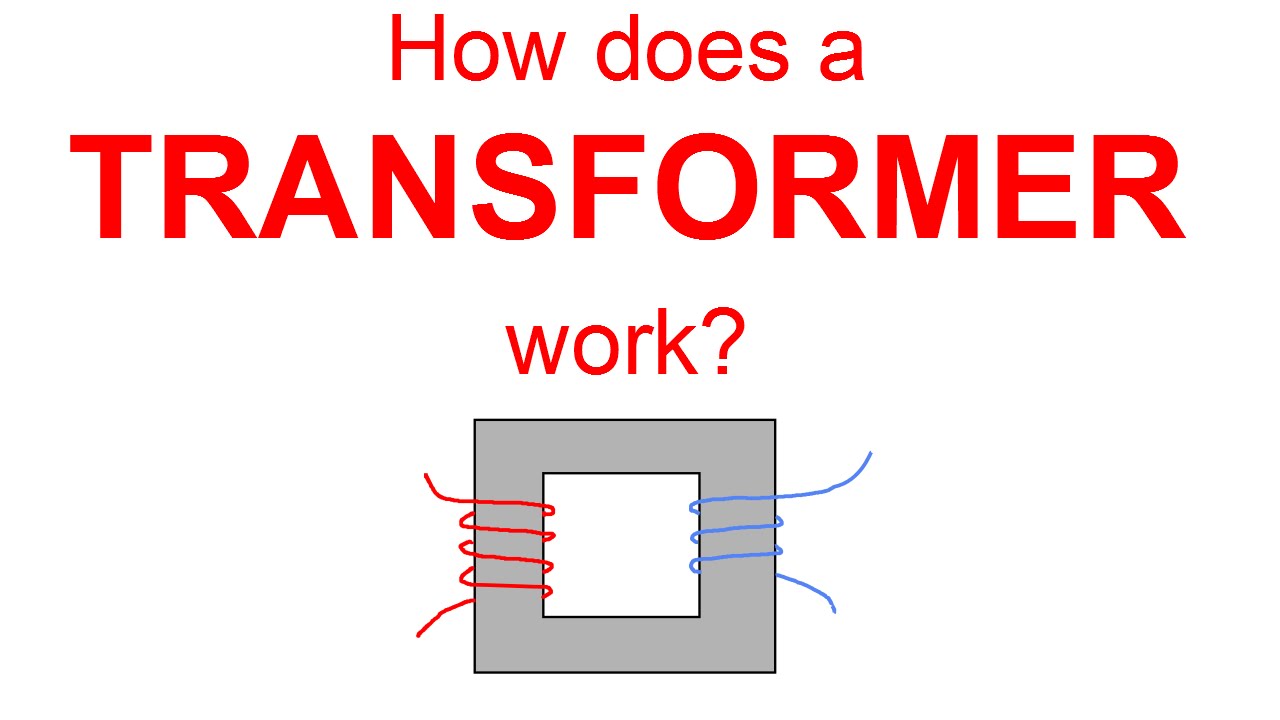
A transformer is based on a very simple fact about electricity: when a fluctuating electric current flows through a wire, it generates a magnetic field (an invisible pattern of magnetism) or "magnetic flux" all around it. The strength of the magnetism (which has the rather technical name of magnetic flux density) is directly related to the size of the electric current. So the bigger the current, the stronger the magnetic field. Now there's another interesting fact about electricity too. When a magnetic field fluctuates around a piece of wire, it generates an electric current in the wire. So if we put a second coil of wire next to the first one, and send a fluctuating electric current into the first coil, we will create an electric current in the second wire. The current in the first coil is usually called the primary current and the current in the second wire is (surprise, surprise) the secondary current. What we've done here is pass an electric current through empty space from one coil of wire to another. This is called electromagnetic induction because the current in the first coil causes (or "induces") a current in the second coil. We can make electrical energy pass more efficiently from one coil to the other by wrapping them around a soft iron bar (sometimes called a core):

To make a coil of wire, we simply curl the wire round into loops or ("turns" as physicists like to call them). If the second coil has the same number of turns as the first coil, the electric current in the second coil will be virtually the same size as the one in the first coil. But (and here's the clever part) if we have more or fewer turns in the second coil, we can make the secondary current and voltage bigger or smaller than the primary current and voltage.
One important thing to note is that this trick works only if the electric current is fluctuating in some way. In other words, you have to use a type of constantly reversing electricity called alternating current (AC) with a transformer. Transformers do not work with direct current (DC), where a steady current constantly flows in the same direction.