 Special Topic Home

Category
Products News
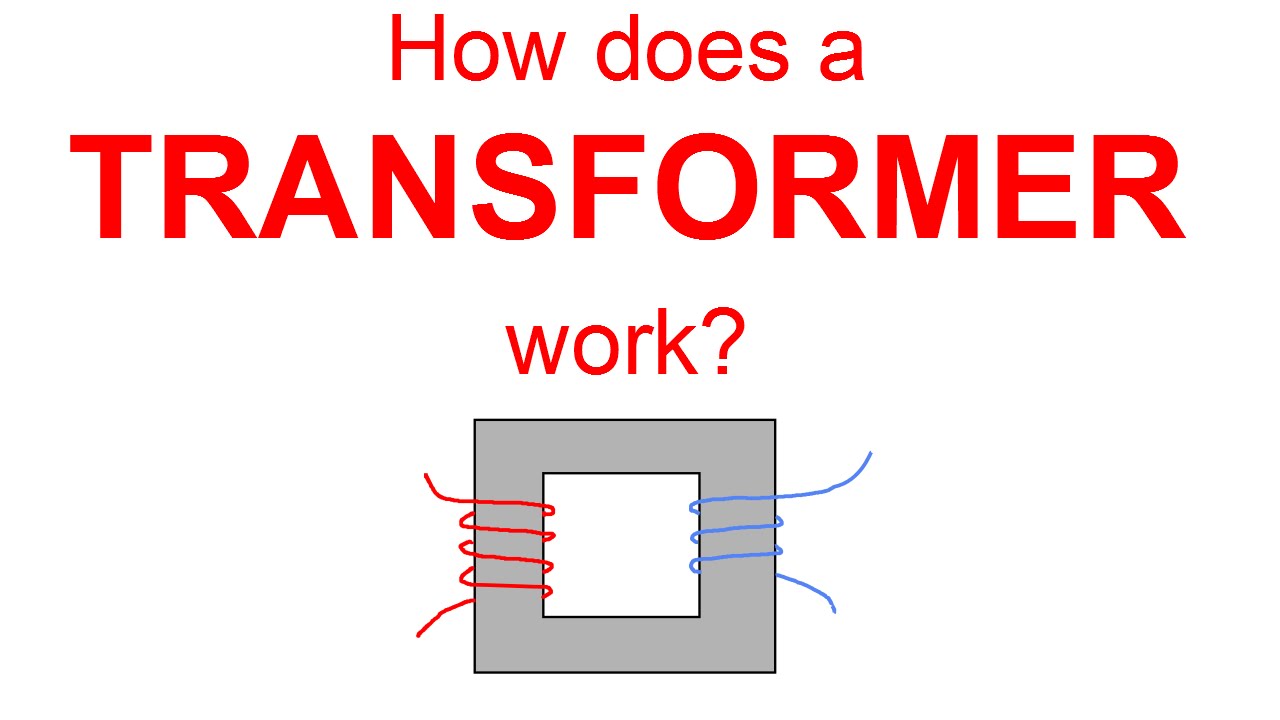 How does a transformer work?
Related searches
35kv power transformer
electric furnace transformer
electrical transformer for sale
high current transformer
Supplier Searches
Home > Products News
Step Down Auto Transformers: Eliminating Output Distortion
2017/6/9 11:09:37
.jpg)
Today's step-down automotive transformer lecture is very brief, most transformer designers do not understand the matter may hurt you, detailed personnel or buyers have a negative impact on your application.
There is an issue with step down auto-transformers that is neither readily obvious nor generally known to most transformer designers. Stated succinctly it is that unless the ‘series’ winding is in a ‘closely coupled’ (low leakage reactance) configuration with the ‘common’ winding, the output voltage may be excessively distorted. We say this because we have had direct experience with the distortion in a ‘loosely coupled’ wound unit that was corrected by changing the configuration to ‘closely coupled’.
The way this can be visualized is as having a high inductance reactor in series with the primary winding. High distortion in output current (but also exciting current) will cause a voltage distortion across the input reactor and thus the primary of the transformer. It can also cause loss of secondary voltage under load. When the configuration is changed to ‘closely coupled’ the reactor goes away and so does the distortion (and potential voltage loss).
For the designer, this creates a challenge for multiple inputs because each series configurations (series 1, 2, 3 in the drawing) must be closely coupled with the common. In addition to being a design challenge, this criteria also tends to increase manufacturing cost (for some units substantially), but it is well worth the investment to remove the distortion.
As a result, there is a lower cost for the purchase or designation of a step-down automotive transformer, but it is clear that the reliability and durability of system performance can lead to soaring prices.
Article from:
http://www.powermagneticsinc.com/