 Special Topic Home

Category
Products News
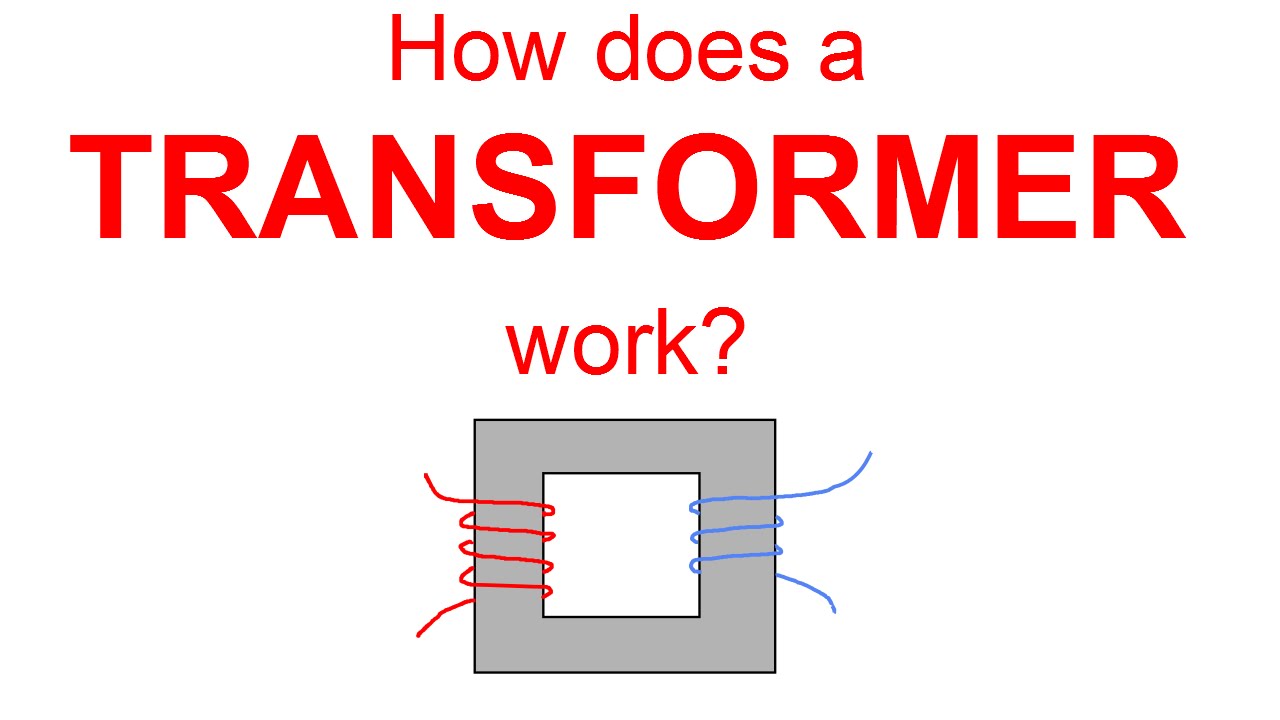 How does a transformer work?
Related searches
35kv power transformer
electric furnace transformer
electrical transformer for sale
high current transformer
Supplier Searches
Home > Products News
Discussion about Dry-Type and Oil-Filled Transformers
2017/6/14 16:38:34
.jpg)
There are two types of transformers: dry-type transformers and oil-filled transformers (also known as liquid-filled transformers). They have the same purpose, but there are some significant differences between them. These differences are very important, and some types of transformers are better for metamorphosis.
COOLING MEDIUM
A cooling medium is important to stop the transformer from overheating and becoming a potential fire or explosion hazard. Overheating is inevitable when transformers are under load, but it must be solved because temperature rises are not acceptable when transformers are being used.
Dry-type transformers use air as the cooling medium, while oil-filled transformers use oil instead of air.
Some public places do not use oil-filled transformers because they are considered to be a big fire hazard and, instead, use dry-type transformers. This is because the liquid being used is flammable. A situation where the oil spills, leaks, or becomes contaminated could easily happen and put the building’s residents at risk. For this reason, they are restricted to outdoor installations.
Dry-type transformers are the safer option, and you will see them in public places such as transportation hubs and company buildings.
MAINTENANCE
Generally, oil-filled transformers require maintenance procedures to be performed more often than with dry-type transformers. The oil also needs to be sampled so that there are no problems with contamination. The dry-type is very resistant to chemical contaminants, which means that it will not have to be taken apart every time a minor accident happens.
PRICE
Oil-filled transformers are generally cheaper than the dry-type variant, with some exceptions.
SOUND OPERATING LEVEL
Transformers are generally known for being noisy when they are running. With that being said, oil-filled transformers are quieter than the dry-type ones.
EFFICIENCY
Oil-filled transformers are known to be more efficient than dry-type transformers, which are limited in their voltage rating and their size. This makes the dry-type far more prone to overheating if they experience overload, and it’s important to remember that their performance is limited during overload. As a result, it is also more expensive to maintain the dry-type transformers power supply over time.
Those are the main differences that exist between the oil-filled and dry-type transformers. Your choice of transformer will depend on your safety requirements and the budget set aside for the purchase.
Although these differences are accepted as general rules, but should pay attention to the exception. Many of the leading transformer manufacturers have made great strides in the technology used to make transformers. The use of non-flammable, liquid-filled transformers, the use of natural degradable liquids such as vegetarian oil and animal fat has a lot of impetus. They are safer for the environment and are more efficient than dry-type transformers. Looking for these changes in the near future.
Article from:
http://www.relectric.com/